
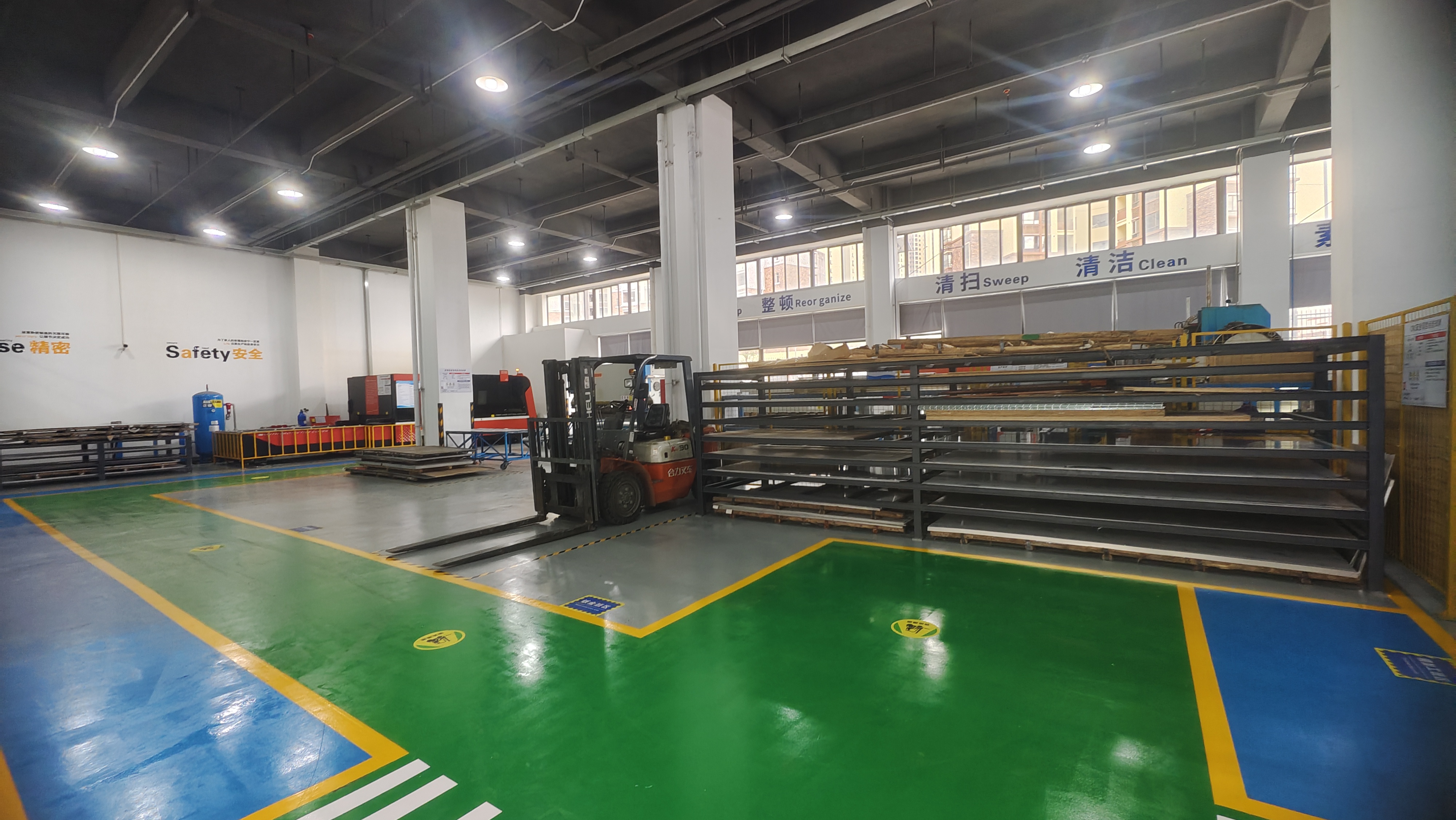
— seo_title: "OEM Metal Assembly for Export Project | Case Study | Guanjie" meta_description: "See how engineering review and coordinated metal manufacturing can address the requirements of a oem metal assembly for export project project." canonical_url: "/case-studies/oem-metal-assembly-export-project/" page_status: "Draft case study 鈥?verify all project facts before publication" —
OEM Metal Assembly for Export Project
This draft case study presents a manufacturing approach for a oem metal assembly for export project project. It is written without customer names, numerical performance claims, delivery promises, or unverified specifications. Guanjie Technology should replace or confirm the project details against production records before publication.
Project Background
The project involved a custom metal component for the international oem supply sector. The buyer needed more than individual cut parts: the complete requirement had to connect product function, manufacturability, assembly, quality, finishing, and delivery preparation.
The available project package included drawings and supporting requirements that described the intended geometry. As with many custom projects, manufacturing decisions still depended on the relationships between parts. The team therefore reviewed interfaces, access, appearance, inspection points, and the sequence of operations before treating the design as production-ready.
Project Priorities
- Protect the functional intent of the customer's design
- Identify manufacturing risks before production release
- Coordinate supplier coordination, fabrication, machining, and welding
- Define practical inspection and appearance expectations
- Prepare the product for repeatable assembly and international delivery
Material
The project used a combination of specified metal components, purchased hardware, and approved finishing systems. The final grade, thickness, condition, and approved substitutions must be confirmed from the controlling drawing and purchase documentation.
Material selection was considered together with geometry and process. Strength and corrosion resistance were relevant, but so were formability, weld response, surface condition, finish compatibility, availability, and handling. A material that performs well in service can still create production risk if the bend design, welding method, or finish specification does not suit it.
Material Control Considerations
The manufacturing package should identify the required grade and whether alternatives are permitted. Cosmetic surfaces need protection through cutting, forming, assembly, finishing, and packing. If material certificates or traceability records are required, that requirement should be agreed before order release rather than added after production.
Process
The planned route included BOM review, supplier coordination, fabrication, machining, welding, hardware installation, finishing, assembly, inspection, and export packing. The exact sequence matters because each operation can affect the next.
Engineering and File Review
The team reviewed revisions, critical dimensions, mating features, hardware, finish notes, and inspection expectations. Any unclear requirement was treated as a question for resolution, not an invitation to create an undocumented assumption.
Component Manufacturing
Parts were prepared using the processes appropriate to their geometry. Flat patterns, formed features, machined interfaces, weld joints, and purchased components were considered as elements of one assembly. This reduced the risk that individually acceptable parts would create problems during fit-up.
Assembly and Finishing
Assembly planning considered access, sequence, fixtures, heat input, hardware installation, grinding, masking, and surface preparation. Finish requirements were connected to cosmetic zones and functional interfaces so appearance work would not interfere with fit or electrical, grounding, sealing, or mounting needs.
Inspection and Packing
Inspection focused on documented critical features and overall assembly compatibility. Packing was considered part of product protection, particularly for finished surfaces, projecting hardware, heavy sections, and components that could move during international transport.
Challenge
The central challenge was to coordinate multiple part types, revisions, outsourced inputs, assembly requirements, documentation, and packaging for an international delivery. Solving this required more than checking isolated drawing dimensions.
The design had to be evaluated as a physical product moving through several manufacturing stages. Features that appeared independent in a model could interact during bending, welding, assembly, or finishing. Tolerance accumulation also mattered: small variations across several components can become a visible gap, alignment problem, or installation difficulty at assembly.
Why the Challenge Mattered
If these relationships were left until final assembly, correction could require rework across multiple parts. Late changes could also affect finish, hardware, packaging, and delivery planning. Early review therefore concentrated on the highest-risk interfaces and on requirements that needed customer confirmation.
Solution
Guanjie's approach was to manage the project as one controlled assembly with a defined bill of materials, revision status, inspection plan, and packing method. The team connected the customer's functional priorities with the proposed process route and created a clearer sequence for production and verification.
Design and Production Alignment
Datums and critical interfaces were reviewed from the perspective of assembly. Process-specific questions鈥攕uch as bend access, weld sequence, hardware clearance, surface protection, or measurement method鈥攚ere raised before they could become shop-floor ambiguity.
Controlled Manufacturing Sequence
The work was organized so that important relationships could be checked at useful stages rather than only after completion. Subassemblies and first pieces could be evaluated before later operations made correction more difficult. Approved requirements and revisions remained the reference for production.
Quality Planning
Inspection was linked to function. Instead of treating every dimension as equally critical, the plan emphasized the features that affected fit, operation, appearance, and customer acceptance. Any requested reports, photographs, certificates, or samples needed to be defined as part of the agreed project scope.
Result
The project resulted in an export-ready assembly workflow with clearer ownership from component production through final packing. This is a qualitative editorial summary; Guanjie must add only verified outcomes that are supported by project records.
The broader value came from managing the part or assembly as a connected manufacturing problem. Engineering review helped expose unclear requirements, process planning linked individual operations, and inspection focused on the features most relevant to the finished product.
For repeat orders, the approved drawing revision, bill of materials, finish requirements, and recorded manufacturing knowledge provide a stronger baseline. Any future design change should be reviewed for its effect on material, tooling, programs, fixtures, inspection, work in progress, and packaging.
Related Capabilities and Resources
OEM Metal Parts
Learn how this service or resource supports related custom metal projects.
Design & Engineering
Learn how this service or resource supports related custom metal projects.
Quality Control
Learn how this service or resource supports related custom metal projects.
Discuss a Similar Project
If you are sourcing a similar component or assembly, send the current drawings, models, quantities, material and finish requirements, inspection needs, and destination. Guanjie can review the available information and identify the next practical questions.